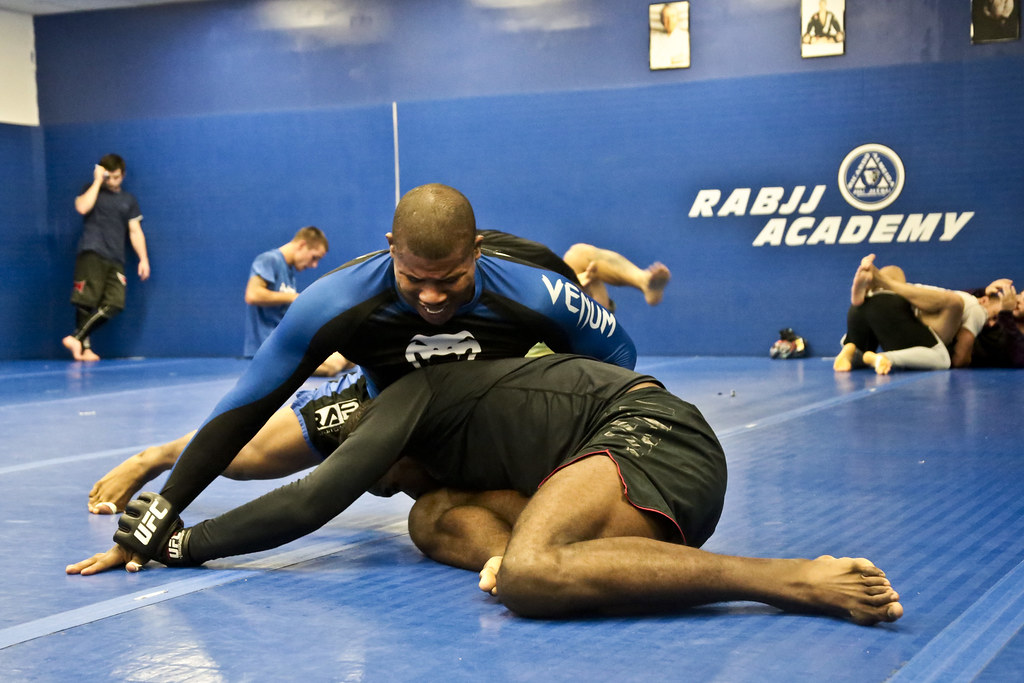
When you first start Brazilian Jiu-Jitsu, every roll feels like a fight for survival. You're tense, you're gassing out, and you're mostly just trying not to get smashed. That's normal — but it's also why drilling matters more than sparring in your early months.
Repetition builds reflexes
Technique in BJJ isn't something you think your way through mid-scramble. It has to be automatic. The only way to make a movement automatic is to repeat it hundreds of times in a low-pressure setting.
You don't rise to the level of your goals. You fall to the level of your training.
Drilling gives you that volume. A focused 10-minute drilling round can give you 40–50 quality repetitions of a single movement. You'll rarely hit that same move five times in a hard roll.
What to drill first
Beginners should prioritize a small number of high-value positions:
- Escapes — bridging and shrimping out of mount and side control
- Guard retention — recovering guard when someone passes
- One submission — pick a single attack (e.g. the armbar from guard) and own it
Resist the urge to collect techniques. Depth beats breadth.
A simple drilling format
- Pick one movement for the round
- Go slow for the first 5 reps, focusing on detail
- Gradually add speed and light resistance from your partner
- Reset and repeat
When to start rolling
Rolling absolutely has its place — it's how you pressure-test what you've drilled. A good ratio for the first six months is roughly 60% drilling, 40% rolling. As your base solidifies, that ratio naturally shifts toward live training.
Track which drills you've done and how often, and you'll see your progress compound. That's exactly what DrillBuddy is built for.
Now get on the mats and get your reps in.