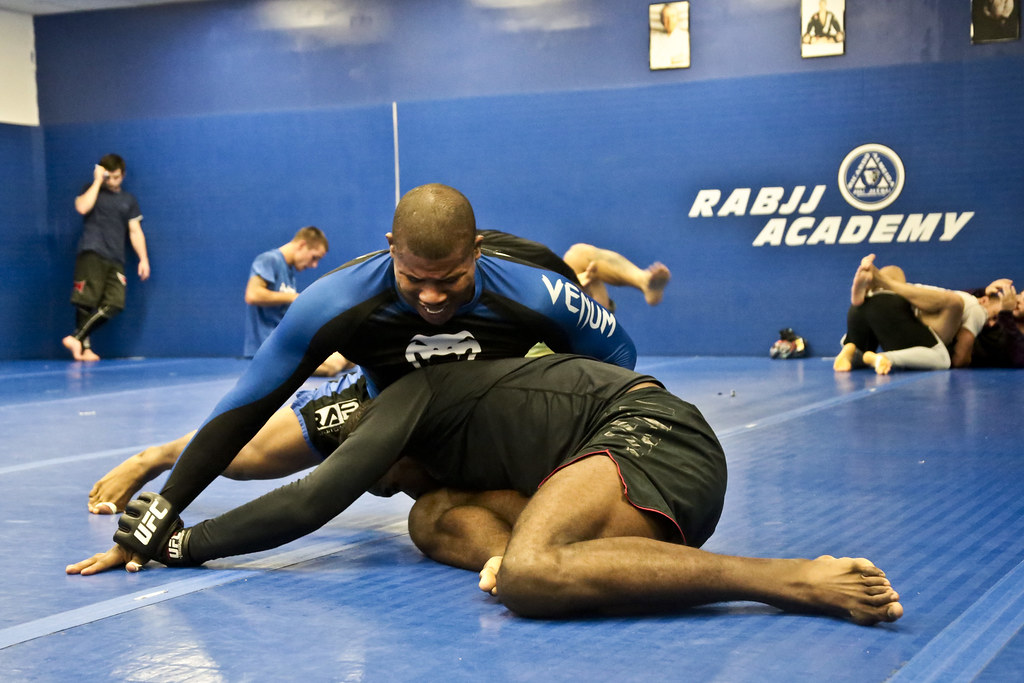
Walking into a Brazilian Jiu-Jitsu gym for the first time is intimidating. You don't know the etiquette, the warm-ups look like contortion, and everyone seems to move in a language you don't speak yet. Take a breath — every black belt in that room started exactly where you are. Here's an honest picture of what your first month will actually look like, so you can show up prepared and stick with it.
Your first class
Most beginner classes follow a similar rhythm: a warm-up (including solo movements like shrimping and bridging), a technique of the day broken into steps, drilling that technique with a partner, and then some form of light sparring or positional rounds. You will not be thrown to the wolves on day one — good gyms ease beginners in.
What to expect emotionally: confusion, a little embarrassment, and a lot of tapping. That's all normal. Tapping isn't losing — it's how you learn safely.
What to bring
Keep it simple for week one:
- Comfortable athletic clothing (a rash guard and shorts, or whatever the gym recommends) until you get a gi
- A water bottle — you'll need it
- Flip-flops for walking off the mat (hygiene matters in BJJ)
- Short fingernails and toenails, and no jewelry
Above all, show up clean. Mat hygiene is taken seriously for good reason.
The first-month survival mindset
Three things will make or break your first month:
- Relax and breathe. Beginners gas out because they tense every muscle and hold their breath. Stay loose; you'll last longer and learn faster.
- Focus on surviving, not winning. Your only job early on is to defend, breathe, and not panic. Offense comes later.
- Tap early, tap often. Protect yourself. There's no medal for getting injured in week three.
For a realistic view of the road ahead, read How Long Does It Take to Get Good at BJJ?.
You'll forget almost everything (at first)
Here's the part nobody warns you about: you'll be shown dozens of techniques and remember almost none of them. That's not a personal failing — it's how memory works under pressure. The students who progress fastest fix this early by capturing what they learn. Start with our guide on how to remember BJJ techniques after class, and consider keeping a simple training journal from day one.
Train between classes
You don't have to wait for the next session to improve. A few minutes of solo drills at home — shrimping, bridging, technical stand-ups — builds the movement base everything else depends on. Logging those small sessions in DrillBuddy keeps you accountable when motivation dips in week three (and it will dip).
The one rule that matters most
The biggest predictor of whether you'll get good at jiu-jitsu isn't athleticism or natural talent — it's whether you keep showing up. The first month is the hardest because everything is new and you're bad at all of it. Push through it consistently and you'll wake up six months later genuinely competent, wondering why you were ever nervous.
Get on the mats, tap a hundred times, and come back tomorrow. That's the whole secret.