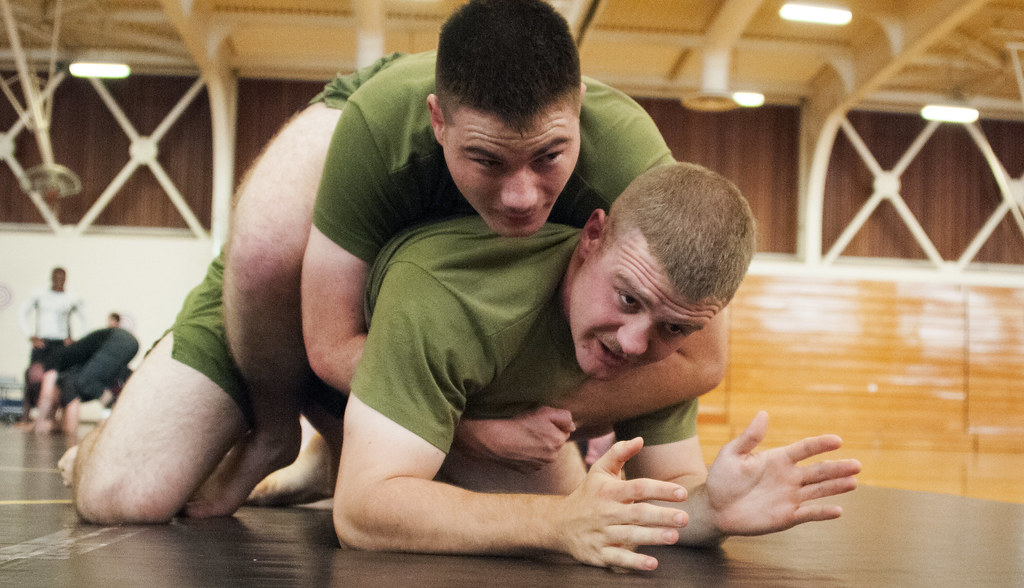
Every grappler hits it eventually: the stretch where you feel like you've stopped getting better. The same people tap you, the same positions trip you up, and the rapid early progress has flattened into a frustrating grind. Plateaus are completely normal — even necessary — but you don't have to stay stuck in one. Here's why they happen and how to break through.
Why plateaus happen
The early days of BJJ feel like rapid improvement because everything is new — every class adds something. Eventually the low-hanging fruit is gone, and progress gets quieter and harder to see. A few specific causes:
- You've stopped being deliberate. You show up, roll, and leave on autopilot without targeting your weaknesses.
- You only play your A-game. Relying on your two best moves stops you from developing the rest.
- You're not retaining lessons. If you forget half of what you learn, you're treading water.
- Overtraining or fatigue. Sometimes "I've stopped improving" really means "I'm exhausted and not recovering."
Plateaus are often invisible progress
First, reframe it. Plateaus are frequently periods where your understanding is deepening even though your results look flat — your defense is improving, your timing is sharpening, and you're being tested by better training partners. Sometimes the answer is simply to keep showing up. As we covered in how long it takes to get good, consistency through the flat stretches is what separates the people who get good from the people who quit.
That said, here's how to actively break through.
1. Train your weaknesses on purpose
The fastest way off a plateau is to stop hiding in your strengths. Pick the position that gives you the most trouble — getting mounted, stuck under side control, or passed — and make it your project for a month. Start every round there if you have to.
2. Put yourself in bad positions
Deliberately start rolls in disadvantageous positions and try to escape. You'll lose more in the short term, but your weak areas will improve far faster than if you always start neutral.
3. Get deliberate with a training journal
You can't fix what you don't track. A training journal reveals the specific recurring hole — "I keep getting my guard passed when my knee shield collapses" — so you can attack it instead of vaguely feeling stuck. This single habit breaks more plateaus than any technique.
4. Fix your retention
If techniques aren't sticking, you're effectively starting over each week. Tightening up how you remember techniques means every class actually adds to your game instead of leaking back out.
5. Check your recovery
If you've ramped up volume and feel flat, dread class, or have nagging injuries, the problem may be too much training, not too little. Revisit how often you should train and build in real rest.
A simple break-through plan
| Step | Action |
|---|---|
| Identify | Use your journal to name your #1 recurring weakness |
| Target | Make that position your focus for 4 weeks |
| Drill | Bank deliberate reps on the fix every session |
| Test | Start rolls in that bad position on purpose |
| Track | Log it in DrillBuddy and watch the leak close |
Make progress visible again
The most demoralizing thing about a plateau is that progress feels invisible. Tracking your training in DrillBuddy — your sessions, the moves you're drilling, the weaknesses you're targeting — makes the quiet, grinding improvement visible again, which is often exactly the motivation you need to push through.
Plateaus aren't a sign you're failing. They're a sign you've reached the stage where progress has to be earned deliberately. Get deliberate, and you'll start climbing again.